
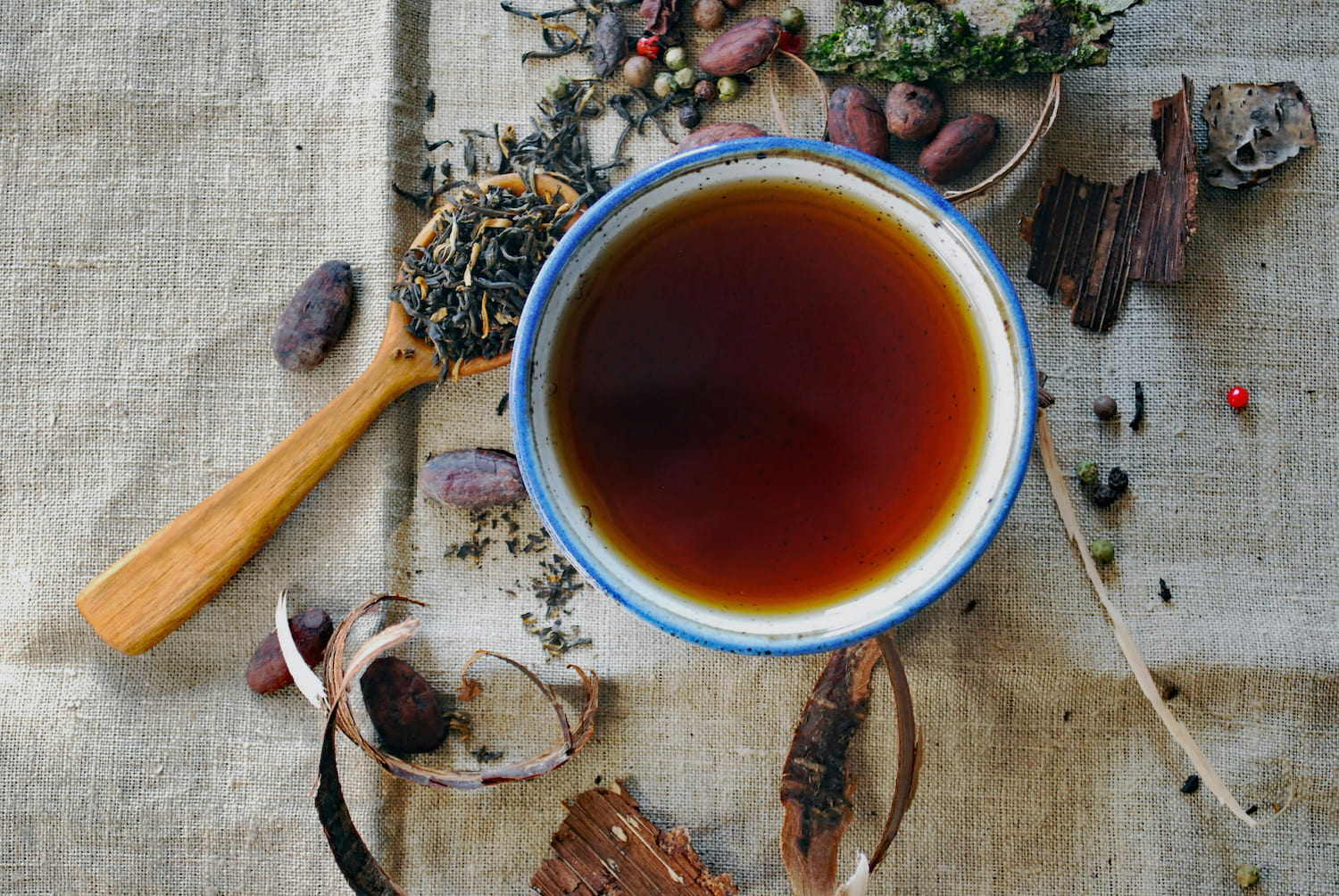

There is something naturally comforting about tea. It slows the pace of the day, invites conversation, and creates a quiet moment to reset.
Beyond the experience, tea has long been appreciated for its natural compounds known as antioxidants. These compounds occur naturally in tea leaves as part of the plant’s own defense system, helping protect it from environmental stress such as sunlight and temperature changes.
This is one of the reasons tea has been valued for centuries, not only for its taste but also for how it makes people feel.
This guide explains tea antioxidants, how they naturally develop, and why they are often associated with the benefits of tea, so you can better understand what you are enjoying in each cup.
What Are Antioxidants in Tea?
Antioxidants in tea are natural plant compounds, primarily polyphenols, that contribute to the characteristics and overall profile of tea.
These include:
- Catechins (especially in green tea)
- Theaflavins and thearubigins (in black tea)
- Flavonoids (present across all true teas)
One of the most recognized compounds is EGCG (epigallocatechin gallate), a catechin commonly found in green tea. It is frequently referenced when discussing green tea antioxidants due to its abundance and research attention.
These compounds play a role in both the composition and flavor of tea, influencing everything from brightness to depth.
All true teas contain antioxidants, with the type and balance varying depending on how the leaves are processed.
How Tea Naturally Contains Antioxidants
Tea leaves develop antioxidants as part of their natural growth process. These compounds help protect the plant from environmental stress and contribute to the unique qualities of each tea.
As tea is processed, these antioxidants evolve. Green tea retains more of its original catechins, while black tea develops theaflavins through oxidation. This is why different teas not only taste different, but also offer slightly different characteristics.
This natural variation is part of what makes exploring tea so enjoyable.
Why Antioxidants Matter
Throughout the day, the body is exposed to internal and external stress factors. Antioxidants help support the body’s natural balance by neutralizing these effects.
Tea is best viewed as part of a balanced lifestyle rather than a single solution. Many people choose tea not only for its taste, but because it feels like a simple, positive habit that fits naturally into their day.
It also offers a more gentle and steady experience compared to other beverages, making it a popular choice for those who prefer calm, sustained energy.
Types of Tea and Their Antioxidants
All traditional teas come from the same plant, Camellia sinensis. The difference lies in how the leaves are processed.
As tea leaves are oxidized during processing, the types of antioxidants in tea change. This is why different teas not only taste different, but also vary in their antioxidant composition.
Green Tea
Green tea is minimally processed, allowing it to retain high levels of catechins.
- Light, fresh flavor
- Often associated with higher antioxidant concentration
- A popular choice for a clean, refreshing cup
Black Tea
Black tea is fully oxidized, creating a richer and deeper profile.
- Bold, smooth flavor
- Contains theaflavins and thearubigins
- A classic choice for afternoon tea
White Tea
White tea is the least processed of all.
- Delicate and subtle
- Naturally light in flavor
- Retains a gentle level of antioxidants
Oolong Tea
Oolong falls between green and black tea.
- Complex flavor profile
- Balanced antioxidant composition
- Ideal for those who enjoy variety
Does Brewing Affect Antioxidants?
Yes, how you prepare tea can influence both its flavor and the compounds extracted into your cup.
Water temperature and steeping time play an important role. Longer steeping can extract more antioxidants, along with stronger flavor.
For the best experience:
- Use freshly heated water (avoid boiling for delicate teas like green or white tea)
- Allow enough steeping time to fully develop the tea
- Avoid over-steeping, which can create bitterness
A properly brewed cup not only tastes better but allows you to experience the full character of the tea.
Is One Tea “Better” Than Another?
There is no single “best” tea when it comes to antioxidants. Each type offers a different balance of compounds depending on how it is processed.
Rather than focusing on which tea is better, it is more helpful to choose the one you enjoy and will drink consistently. A daily cup matters more than small differences between varieties.
Each type offers something different:
- Green tea is often highlighted for its catechins
- Black tea provides a richer profile with its own unique compounds
- White and oolong offer balance and variety
Simple Ways to Enjoy More Tea
If you are looking to make tea part of your routine, it does not need to feel complicated. The most meaningful habits are often the simplest ones, built into moments you already have in your day.
- Start with one cup in the morning or early afternoon to create a consistent ritual
- Explore different tea varieties to discover what flavors you naturally enjoy
- Pair your tea with light pastries, scones, or a small sweet to elevate the experience
- Set aside a few quiet minutes to sit and enjoy your tea without distractions
Over time, tea becomes more than just a drink. It becomes a pause in your day, something you look forward to.
Enjoying tea regularly is one of the simplest ways to experience the everyday benefits of tea without needing to change your routine.
If you would like to take this experience beyond your daily routine, you can also enjoy a Thelú Tea Room private tea experience designed for small gatherings, celebrations, and relaxed afternoons. It brings the same sense of calm and connection into a shared setting.
Small habits often have the most lasting impact, especially when they are simple enough to enjoy every day.
Final Thoughts
Tea has been enjoyed across cultures for generations. It offers balance, comfort, and a sense of calm that fits naturally into everyday life.
The presence of antioxidants adds another layer to its appeal, but what matters most is the experience itself. Whether enjoyed alone or shared with others, tea creates a moment to slow down and reconnect.
A simple cup can be both enjoyable and meaningful.
Frequently Asked Questions
Yes, all true teas from the tea plant contain antioxidants, though the types and levels vary.
Green tea is often considered to have the highest levels of antioxidants due to its high catechin content, particularly EGCG.
Both offer benefits. Green tea has more catechins, while black tea has different compounds with their own value.
It may slightly affect absorption, but you can still enjoy the benefits of tea.
Most people enjoy 1–3 cups per day as part of a balanced routine.